Understanding Canine Massage: What Dog Owners Need to Know
Canine massage is gaining popularity among dog owners who want to enhance their pets' well-being. This holistic approach to pet care can provide numerous benefits, from relieving stress to improving mobility. If you're a dog owner curious about how massage can help your furry friend, you're in the right place. This guide will explore the fundamentals of canine massage, its benefits, techniques, and tips for finding a qualified practitioner.
What is Canine Massage?
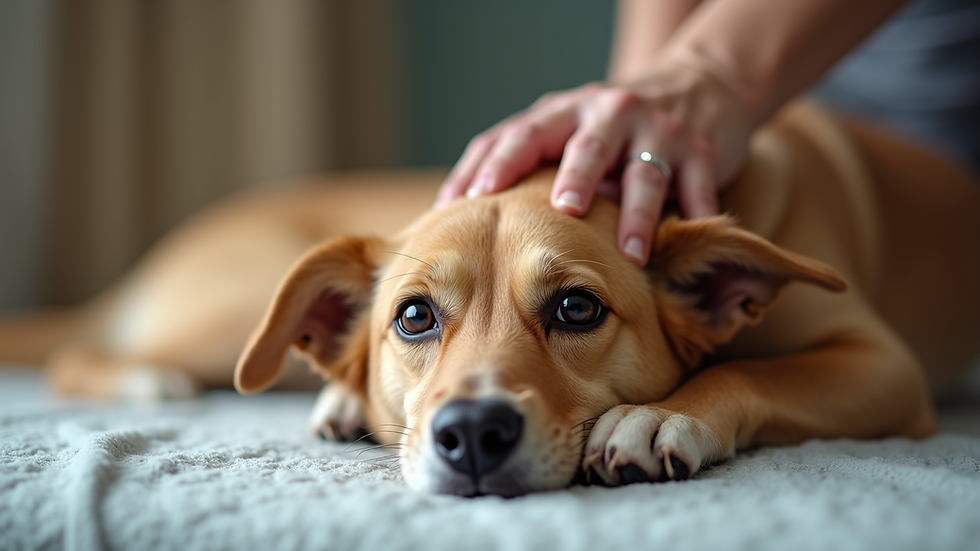
Canine massage involves the manipulation of a dog's muscles and soft tissues to promote relaxation and healing. It is similar to human massage but tailored to meet the unique needs of dogs. This practice can be beneficial for dogs of all ages and breeds, whether they are active, recovering from an injury, or simply in need of some relaxation.
The Benefits of Canine Massage
Canine massage offers a wide range of benefits, including:
Stress Relief: Just like humans, dogs can experience stress and anxiety. Massage helps to calm their nervous system, promoting relaxation.
Improved Circulation: Massage stimulates blood flow, which can enhance overall health and aid in recovery from injuries.
Pain Relief: For dogs suffering from arthritis or other chronic pain conditions, massage can provide significant relief.
Enhanced Flexibility: Regular massage can improve a dog's range of motion, making it easier for them to engage in physical activities.
Bonding Experience: Massage can strengthen the bond between you and your dog, as it involves touch and attention.
Understanding the Anatomy of Your Dog
Before diving into massage techniques, it's essential to understand your dog's anatomy. Familiarizing yourself with the major muscle groups and pressure points can enhance your massage experience. Here are some key areas to focus on:
Neck and Shoulders: These areas often hold tension, especially in active dogs.
Back: The spine and surrounding muscles are crucial for mobility and should be treated gently.
Legs and Paws: Massaging the legs can help with circulation and flexibility, while paw massages can relieve tension.
Hips: This area is particularly important for older dogs or those with joint issues.
Techniques for Canine Massage
There are several techniques you can use when massaging your dog. Here are some effective methods to try:
Effleurage
Effleurage involves long, gliding strokes that help to warm up the muscles. Use your palms to apply gentle pressure along your dog's back, moving from the neck to the tail. This technique is great for relaxation and can be used at the beginning and end of a massage session.
Petrissage
Petrissage is a kneading technique that targets deeper muscle layers. Use your fingers and thumbs to gently knead the muscles in your dog's shoulders and legs. Be careful not to apply too much pressure, especially in sensitive areas.
Friction
Friction involves small, circular movements that help to release tension in specific muscle groups. Focus on areas where your dog seems to hold stress, such as the neck and shoulders. This technique can be particularly beneficial for dogs recovering from injuries.
Tapotement
Tapotement consists of rhythmic tapping or drumming motions. This technique can stimulate circulation and energize your dog. Use the edge of your hands or fingers to gently tap along your dog's back and legs.
Stretching
Incorporating gentle stretches into your massage routine can improve flexibility. Hold your dog's paw and gently extend the leg forward, then backward. Always observe your dog's comfort level and avoid forcing any movements.
When to Massage Your Dog
Timing is crucial when it comes to canine massage. Here are some ideal situations for giving your dog a massage:
After Exercise: Massaging your dog after a walk or play session can help relax their muscles and prevent soreness.
During Recovery: If your dog is recovering from surgery or an injury, massage can aid in healing and reduce pain.
Before a Vet Visit: A calming massage can help reduce anxiety before a trip to the vet.
Regular Maintenance: Incorporating massage into your dog's routine can promote overall health and well-being.
Finding a Qualified Canine Massage Practitioner
If you're not comfortable giving your dog a massage yourself, consider seeking a professional. Here are some tips for finding a qualified canine massage practitioner:
Certification: Look for practitioners who are certified in canine massage. This ensures they have the necessary training and knowledge.
Experience: Ask about their experience working with dogs of your breed and size.
Reviews: Check online reviews or ask for recommendations from other dog owners.
Consultation: Schedule a consultation to discuss your dog's specific needs and any concerns you may have.
DIY Canine Massage Tips
If you decide to try canine massage at home, here are some helpful tips to keep in mind:
Create a Calm Environment: Choose a quiet, comfortable space for the massage. Soft lighting and soothing music can enhance the experience.
Use Gentle Pressure: Start with light pressure and gradually increase it based on your dog's comfort level. Always pay attention to their body language.
Be Patient: Some dogs may take time to relax during a massage. Allow them to adjust and don't rush the process.
Incorporate Treats: Use treats to create a positive association with massage. Reward your dog for staying calm and relaxed.
Common Misconceptions About Canine Massage
Despite its growing popularity, there are still misconceptions surrounding canine massage. Here are a few to clarify:
Massage is Only for Injured Dogs: While massage can aid recovery, it is also beneficial for healthy dogs as a preventive measure.
All Dogs Enjoy Massage: Not all dogs will immediately enjoy being massaged. Some may need time to acclimate to the sensation.
Massage is a Replacement for Veterinary Care: Massage should complement, not replace, regular veterinary care. Always consult your vet for any health concerns.
Conclusion
Canine massage is a valuable tool for enhancing your dog's well-being. By understanding the techniques and benefits, you can provide your furry friend with a relaxing and therapeutic experience. Whether you choose to massage your dog at home or seek a professional, the key is to create a positive and calming environment. Remember to listen to your dog's needs and enjoy the bonding experience that massage can bring.
Consider incorporating canine massage into your dog's routine for a happier, healthier life. Your furry companion deserves it!

Comments