How Canine Massage Therapy Enhances Dog Recovery
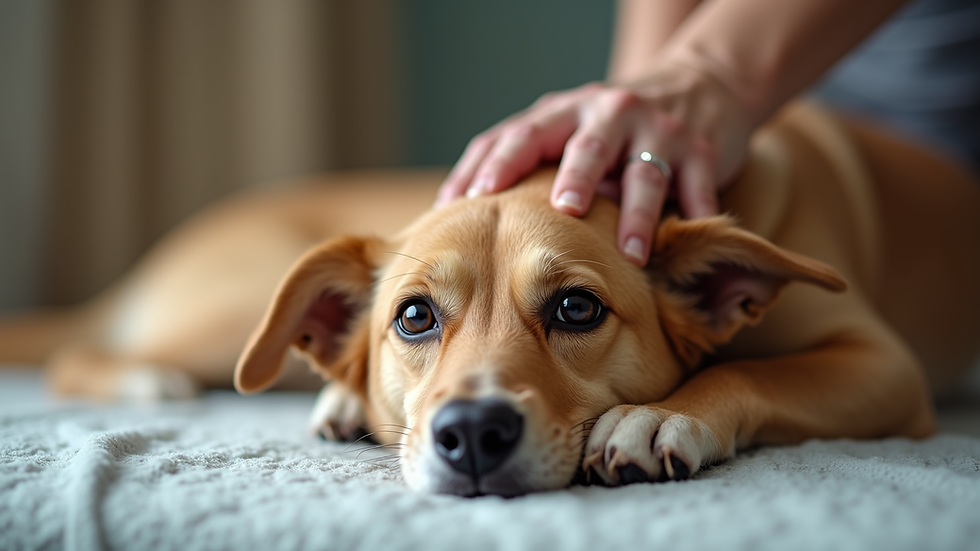
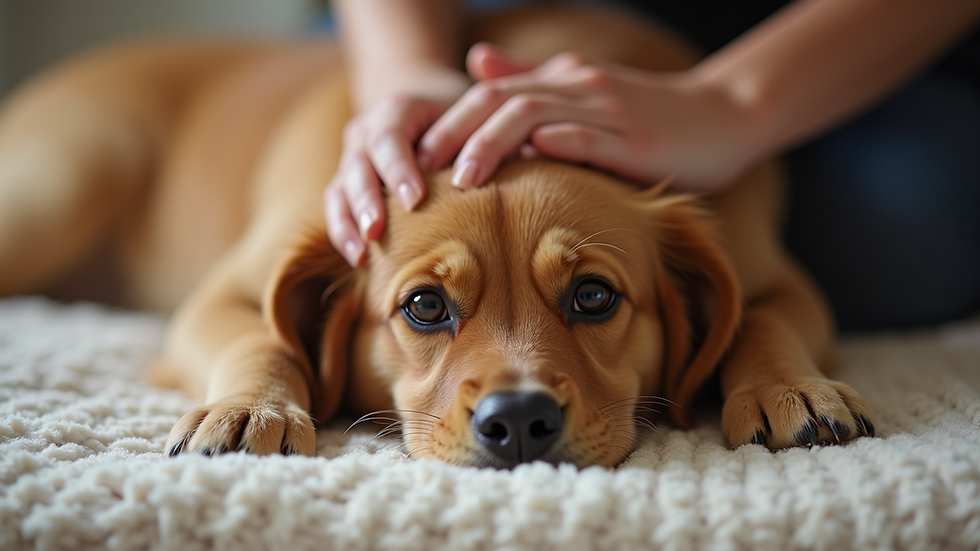
Canine massage therapy is gaining recognition as a valuable tool in the recovery process for dogs. Just like humans, dogs can benefit from therapeutic touch, which can alleviate pain, reduce stress, and promote healing. This blog post explores how canine massage therapy enhances dog recovery, the techniques involved, and the benefits it offers.

Understanding Canine Massage Therapy
Canine massage therapy involves the manipulation of a dog's muscles and soft tissues to promote relaxation and healing. This practice is not just about pampering; it serves a therapeutic purpose.
The Techniques Used in Canine Massage
There are several techniques that canine massage therapists utilize, including:
Effleurage: This technique involves long, sweeping strokes that help to warm up the muscles and promote relaxation.
Petrissage: This method includes kneading and squeezing the muscles, which can help to relieve tension and improve circulation.
Friction: This technique involves deeper pressure applied to specific areas to break down adhesions and scar tissue.
Tapotement: This rhythmic tapping technique stimulates the muscles and can be invigorating for the dog.
Each of these techniques can be tailored to meet the specific needs of the dog, whether they are recovering from surgery, managing chronic pain, or simply needing relaxation.
The Benefits of Canine Massage Therapy
Canine massage therapy offers a range of benefits that can significantly enhance a dog's recovery process. Here are some key advantages:
Pain Relief
Massage therapy can help alleviate pain in dogs recovering from injuries or surgeries. By increasing blood flow to the affected areas, massage can reduce inflammation and promote healing.
Improved Mobility
For dogs with joint issues or those recovering from orthopedic surgeries, massage can improve flexibility and range of motion. Regular sessions can help maintain mobility, making it easier for dogs to engage in their favorite activities.
Stress Reduction
Just like humans, dogs can experience stress and anxiety. Massage therapy promotes relaxation and can help calm nervous dogs. This is particularly beneficial for dogs recovering from traumatic experiences or surgeries.
Enhanced Circulation
Massage stimulates blood flow, which is essential for healing. Improved circulation can help deliver nutrients to the tissues and remove waste products, speeding up the recovery process.
Strengthened Bonding
Massage therapy can also strengthen the bond between the dog and the owner. Spending quality time together during a massage session can enhance trust and comfort, making the recovery process more enjoyable for both.
When to Consider Canine Massage Therapy
Canine massage therapy can be beneficial in various situations, including:
Post-Surgery Recovery: After surgery, dogs may experience stiffness and discomfort. Massage can help alleviate these symptoms and promote healing.
Chronic Pain Management: Dogs with arthritis or other chronic conditions can benefit from regular massage sessions to manage pain and improve mobility.
Stressful Situations: If a dog is recovering from a traumatic event, such as an accident or hospitalization, massage can help reduce anxiety and promote relaxation.
General Wellness: Even healthy dogs can benefit from massage therapy as a preventive measure to maintain overall well-being.
Finding a Qualified Canine Massage Therapist
When considering canine massage therapy, it is essential to find a qualified therapist. Here are some tips for selecting the right professional:
Certification: Look for a therapist who is certified in canine massage therapy. This ensures they have received proper training and understand canine anatomy and physiology.
Experience: Choose a therapist with experience working with dogs, particularly those with similar conditions to your pet.
References: Ask for references or read reviews from other pet owners to gauge the therapist's effectiveness and professionalism.
Consultation: Many therapists offer a consultation to discuss your dog's specific needs and create a tailored treatment plan.
How to Prepare Your Dog for a Massage Session
Preparing your dog for a massage session can enhance the experience. Here are some tips:
Create a Calm Environment: Ensure the area is quiet and free from distractions. Soft music and dim lighting can help create a relaxing atmosphere.
Use Familiar Items: Bring along your dog's favorite blanket or toy to make them feel more comfortable.
Be Patient: Allow your dog to acclimate to the therapist and the environment. Some dogs may take time to relax.
What to Expect During a Massage Session
During a massage session, the therapist will assess your dog's needs and tailor the treatment accordingly. Here’s what typically happens:
Assessment: The therapist will evaluate your dog's physical condition, noting any areas of tension or discomfort.
Warm-Up: The session usually begins with gentle effleurage strokes to warm up the muscles.
Technique Application: The therapist will apply various techniques based on your dog's needs, focusing on areas that require attention.
Feedback: Throughout the session, the therapist will check in with you and your dog to ensure comfort and effectiveness.
Aftercare Following a Massage Session
After a massage session, it’s essential to provide proper aftercare to maximize the benefits. Here are some recommendations:
Hydration: Ensure your dog has access to fresh water, as massage can help release toxins from the muscles.
Rest: Allow your dog to rest after the session. This helps the body process the benefits of the massage.
Monitor Behavior: Keep an eye on your dog’s behavior and physical condition. If you notice any unusual signs, consult your veterinarian.
Conclusion
Canine massage therapy is a powerful tool that can significantly enhance a dog's recovery process. By alleviating pain, improving mobility, and reducing stress, massage therapy supports overall well-being. If you believe your dog could benefit from this therapeutic approach, consider consulting a qualified canine massage therapist. With the right care, your furry friend can enjoy a smoother recovery and a happier life.
Take the next step in your dog's recovery journey by exploring the benefits of canine massage therapy today!
Comments