Benefits of Canine Massage for Your Dog's Health
As a dog owner, you want the best for your furry friend. You may have heard about canine massage but might not fully understand its benefits. Canine massage is not just a luxury; it can significantly enhance your dog's overall health and well-being. In this post, we will explore the various advantages of canine massage, how it works, and tips for incorporating it into your dog's routine.
Understanding Canine Massage
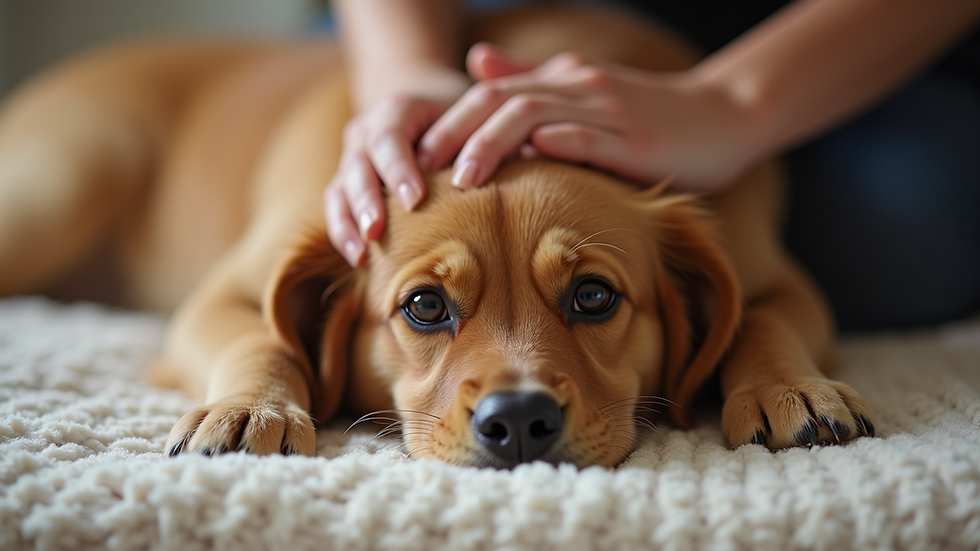
Canine massage involves the manipulation of a dog's muscles and soft tissues to promote relaxation and healing. This practice is based on the same principles as human massage therapy, focusing on improving circulation, reducing tension, and enhancing overall physical and emotional well-being.
How Does Canine Massage Work?
Canine massage works by applying pressure to specific areas of your dog's body. This can help:
Increase blood circulation: Improved blood flow can enhance oxygen delivery to muscles and tissues, promoting healing.
Reduce muscle tension: Massage can alleviate tightness and discomfort in your dog's muscles, leading to greater mobility.
Stimulate the lymphatic system: This helps in detoxifying the body and boosting the immune system.
Promote relaxation: The soothing effects of massage can help reduce stress and anxiety in dogs.
Benefits of Canine Massage
1. Pain Relief
One of the most significant benefits of canine massage is its ability to relieve pain. Dogs suffering from arthritis, hip dysplasia, or other chronic conditions can experience reduced discomfort through regular massage sessions. The gentle manipulation of muscles can help alleviate pain by increasing circulation and reducing inflammation.
2. Improved Mobility
Regular massage can enhance your dog's flexibility and range of motion. This is particularly beneficial for older dogs or those recovering from surgery or injury. By loosening tight muscles and improving joint function, canine massage can help your dog move more freely and comfortably.
3. Stress Reduction
Just like humans, dogs can experience stress and anxiety. Canine massage provides a calming effect, helping to reduce cortisol levels and promote relaxation. This can be especially helpful for dogs that are nervous during thunderstorms, fireworks, or other stressful situations.
4. Enhanced Recovery
If your dog has undergone surgery or is recovering from an injury, massage can aid in the healing process. By improving circulation and reducing swelling, massage can help speed up recovery times and promote overall healing.
5. Strengthened Bonding
Massage is not just beneficial for your dog's health; it can also strengthen the bond between you and your pet. Spending quality time together during a massage session can enhance trust and affection, making your relationship even more special.
How to Get Started with Canine Massage
1. Find a Qualified Practitioner
If you're new to canine massage, consider seeking a certified canine massage therapist. They can provide professional guidance and ensure that the massage is safe and effective for your dog.
2. Create a Comfortable Environment
When giving your dog a massage at home, choose a quiet, comfortable space where your dog feels safe. Use a soft blanket or mat to create a cozy area for your dog to relax.
3. Start Slowly
Begin with gentle strokes and gradually increase pressure as your dog becomes more comfortable. Pay attention to your dog's reactions and adjust your technique accordingly.
4. Focus on Key Areas
Concentrate on areas where your dog may hold tension, such as the neck, shoulders, and back. Use your fingers to knead and apply pressure, but avoid any areas that seem painful or sensitive.
5. Keep Sessions Short
For beginners, keep massage sessions to about 10-15 minutes. As your dog becomes accustomed to the process, you can gradually extend the duration.
Signs Your Dog May Benefit from Massage
While all dogs can benefit from massage, some may show specific signs indicating they need it more than others. Look for the following:
Stiffness or limping: If your dog seems to have difficulty moving or shows signs of discomfort, massage may help alleviate these issues.
Anxiety or stress: Dogs that are easily stressed or anxious can benefit from the calming effects of massage.
Post-surgery recovery: If your dog has recently undergone surgery, massage can aid in their recovery process.
Conclusion
Incorporating canine massage into your dog's routine can provide numerous health benefits, from pain relief to improved mobility and stress reduction. Whether you choose to seek a professional therapist or practice at home, the positive effects of massage can enhance your dog's quality of life. Remember to observe your dog's reactions and adjust your techniques accordingly. By investing time in this practice, you not only support your dog's health but also strengthen the bond you share.
Consider giving your dog the gift of massage and watch them thrive!

Comments